

A portal exists that can take you places beyond the mind dares to imagine.
Breathe, and allow your life force to show you the way.
Imagine discovering that the deepest wisdom you seek has been living inside you all along.
Our ancestors moved through life guided by the innate intelligence of their bodies.
Now, as modern science meets ancient knowing, we know:
our breath, is medicine.
one breath at a time
one breath at a time
A breath at a time, through your container of choice.
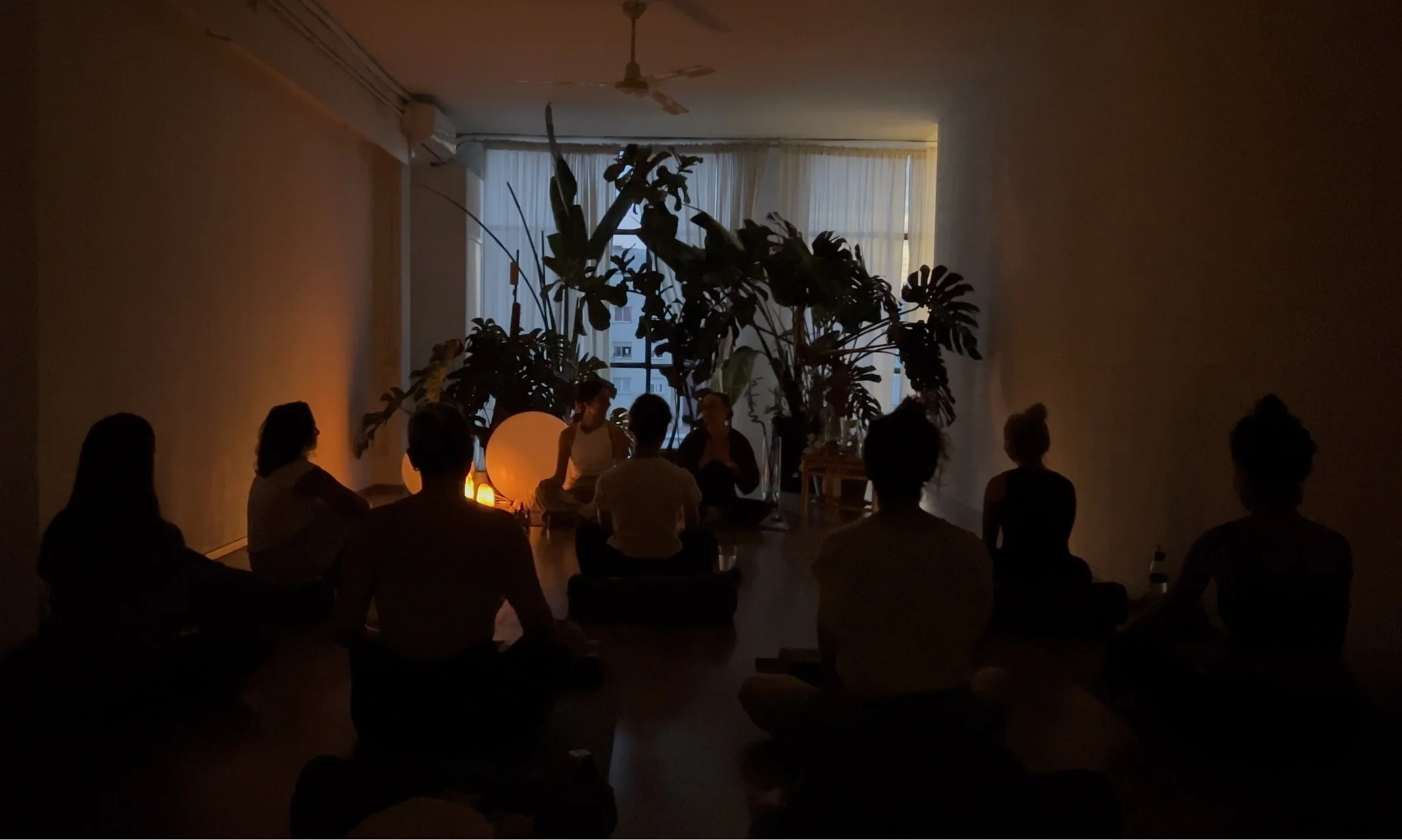
A grounded, trauma-informed, and intentionally-curated space is the foundation across all TGW experiences.


A Breath of Kindness
-
![]()
Chiara P. | 1-1 Breathwork
“ The session followed a natural flow, and I loved how it was divided into different steps that helped me “prepare” for the practice. It was gentle and adapted perfectly to my needs, with the possibility to go deeper whenever I felt ready. The energy I felt afterward was incomparable. I was active, connected, and at ease. I carried that feeling with me for days. It was as if my body remained calm and grounded, even when my mind started overthinking. I’m deeply grateful to Marta for this beautiful and transformative experience.”
-
![]()
Phéline G. - LÉPHIINE's Founder | Bespoke Group Session
“I had the honor of organizing one of the first breathwork journeys with Marta for my community of women (LÉPHIINE), and the experience was truly wonderful. The partnership was seamless, and the alignment was perfect. From the very start, Marta took the time to really understand the needs of my community and ensured her session would resonate perfectly. The preparation was thoughtful, fun, and beautiful - just like the session itself and the aftercare. I’m sure some of the women who attended will reach out to Marta for private sessions, and I completely understand why! I can’t wait to organize another event together soon.”
-
![]()
Maryna C | Group Breathwork
"I’ve been feeling so great and uplifted after the session! I’m still in this natural high state. A huge thank you to Marta for this magical breathwork journey. Your passion, guidance and energy made it truly deep and special."


Breathwork has the capacity to meet you exactly where you’re at and can serve your path in diverse ways.
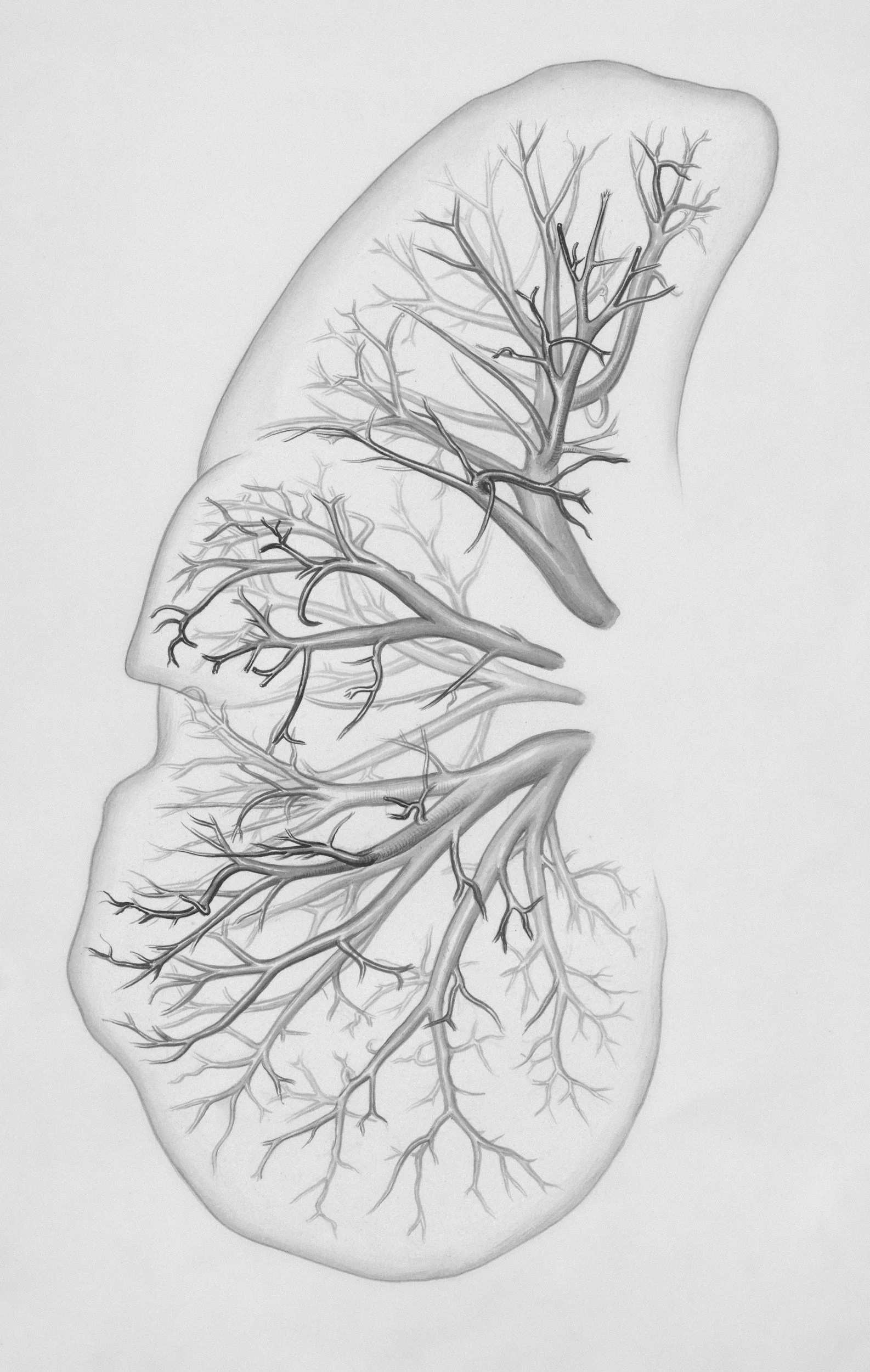
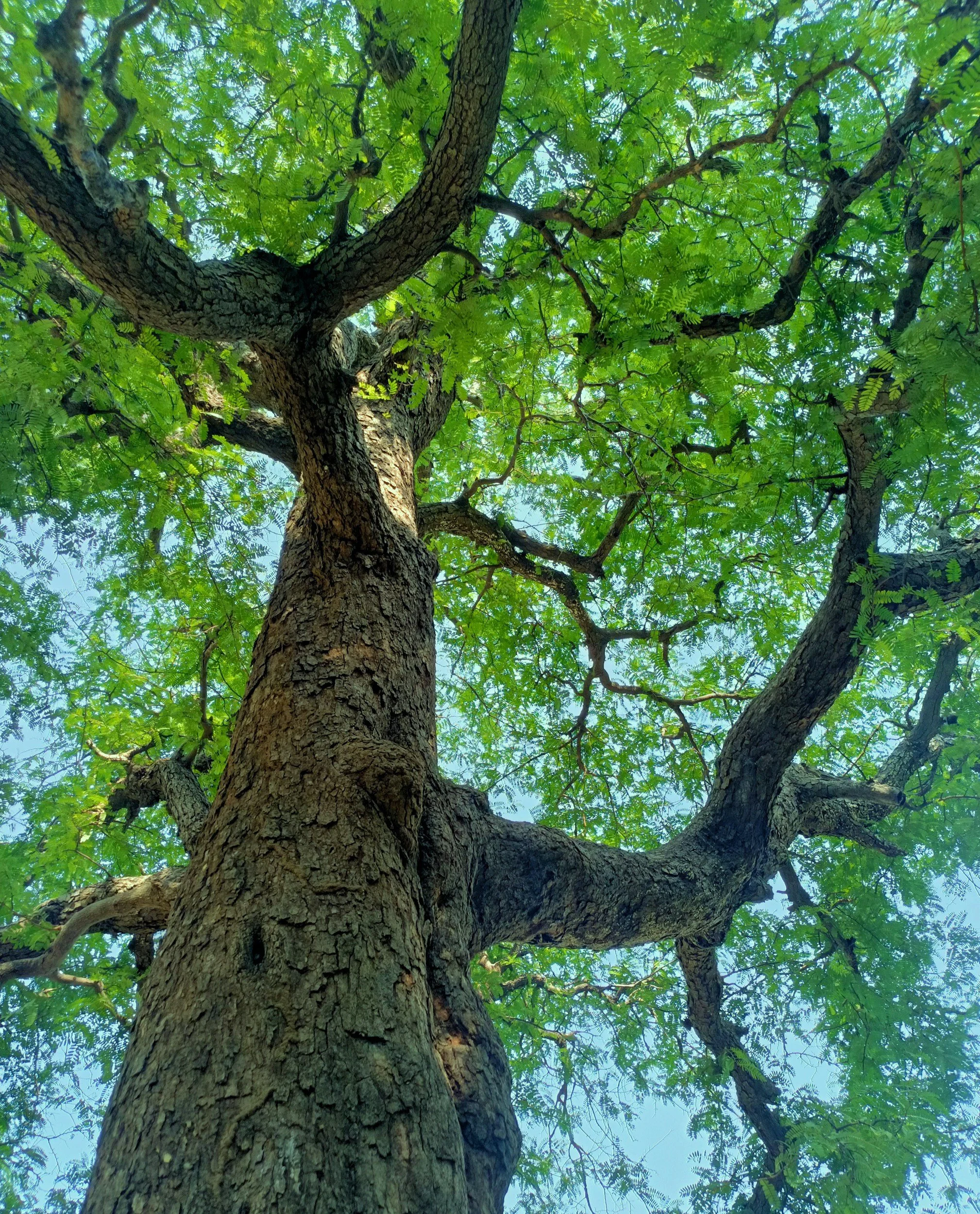
Lungs and trees share the same design because life remembers its origins:
We are nature in human form. They both speak the same language of life.
Tuning into your breath can elevate your experience on Earth.
Here’s how →
-
Slow, rhythmic breathing doesn't just calm the nervous system - it reshapes brain activity. EEG and fMRI studies show that breath regulation alters both autonomic and central nervous system dynamics, enhancing activity in the prefrontal cortex (the brain's executive center) and improving neural synchrony.
On a neuro-electrical level, breathwork shifts brain wave patterns. Slow, deep breathing increases alpha waves - associated with relaxed alertness, calm focus, and reduced mental noise. It can also induce theta waves, linked to deep relaxation and intuition. Fast, intense techniques like Kapalabhati or Wim Hof stimulate beta wave activity, boosting alertness and energy.
In practice, this translates into clearer thinking, better decision-making, improved working memory, and a mental environment where intuition, insight, and presence can flourish.
-
Chronic stress suppresses immune function.
By shifting the nervous system away from prolonged fight-or-flight and promoting parasympathetic activation, breathwork helps restore the physiological conditions in which healing and immune defense can operate effectively - creating an internal climate of resilience, balance, and receptivity to health.
-
Your nervous system is your body's command center - coordinating thoughts, movement, senses, digestion, and more. Within it, the autonomic nervous system manages involuntary functions through three branches: sympathetic (fight-or-flight), parasympathetic (rest-and-digest), and the enteric system (gut-brain axis).
Expanded States Breathwork™ uses conscious connected breathing to activate the vagus nerve - the body's primary rest-and-digest pathway - through rhythmic, sustained breathing patterns. This shifts the nervous system out of chronic activation, slows the heart rate, lowers blood pressure, and reduces stress hormones. Research shows conscious breathing increases vagal tone and heart rate variability (HRV), both markers of a nervous system that can adapt and stay balanced.
The result: your body learns to return to calm faster, stay regulated longer, and move through life responding rather than reacting.
-
Emotions are energy in motion - felt as sensation in the body: tightness, heat, pressure, shakiness. When these sensations are never fully met, they don't disappear. They accumulate.
Expanded States Breathwork™ uses conscious connected breathing to guide you into an altered state - a space where what has been held, compressed, or avoided can finally surface and move. This is somatic-emotional release: not analysis, not talking through it, but letting the body complete what it started. Tears, trembling, sound, spontaneous movement - these are not symptoms of something wrong. They are the nervous system doing exactly what it needs to do.
Research supports this: slower, rhythmic breathing reduces amygdala activation (the brain's alarm center) and increases HRV, both linked to greater emotional stability. But the deeper shift happens through release - when the body is finally allowed to process what the mind has been carrying.
Over time, you don't just feel calmer. You become someone who can meet emotional intensity with grace, grounding, and inner strength.
-
Breathwork can guide you into layers of awareness that daily life rarely reaches. Through conscious connected breathing, the mind quiets, ordinary perception softens, and something deeper becomes available - inner clarity, a felt sense of unity, or a resonance with something greater than yourself.
Many people leave sessions feeling more aligned with their values, more attuned to their inner guidance, and with a renewed sense of purpose. Whether what arises is emotional release, intuitive insight, or a moment of genuine awe, the breath offers a doorway into the depth and expansiveness of your own consciousness.
Science offers a partial map: altered states induced by breathwork show measurable shifts in brainwave patterns and physiological responses that support heightened emotional and perceptual sensitivity - a neurological basis for what many describe as spiritual experience.
One thing worth naming: every session is different, and arriving with expectations can work against you. The invitation is to let go of the need to control the experience - and trust what's ready to come through.
-
Studies show controlled breathing can increase VO2 max, reduce lactate buildup, and build the kind of respiratory efficiency that translates into tangible physical gains.
Breathwork's power for performance is dual: it prepares the body physiologically while clearing the mental noise that so often sabotages effort. Your breathing pattern directly influences perceived exertion, focus, and the ability to move through discomfort. Many practitioners report more consistent access to flow states: that effortless zone where movement feels automatic and fatigue seems to dissolve.
Beyond the session itself, specific breathing practices accelerate recovery by activating the parasympathetic nervous system, reducing inflammation markers, and improving sleep quality. The diaphragm is the hardest-working muscle in your body - and one of the most neglected.
-
By deliberately slowing and deepening your breath, you send direct signals to the vagus nerve - the body's hotline to its own alarm system. Research consistently shows that practices like coherent breathing reduce cortisol, increase heart rate variability, and activate the prefrontal cortex while calming the amygdala. Neuroscience you can access anywhere, without a prescription.
For those navigating depression, breathwork offers something particularly valuable: agency. Depression often creates a felt sense of being trapped, moving through fog.
Energizing practices like Kapalabhati or rhythmic breathing can shift stagnant energy, increase alertness, and restore a felt sense of vitality that talk therapy alone sometimes can't reach - not a cure, but a tool that works alongside other supports to make harder days more navigable.
What's remarkable is how quickly a difference can be felt. Even a few minutes of intentional breathing can interrupt a panic spiral or lift a heavy mood. You're not managing symptoms from the outside - you're working with your body's own regulatory systems, and discovering you have more influence over your internal state than you may have believed possible.
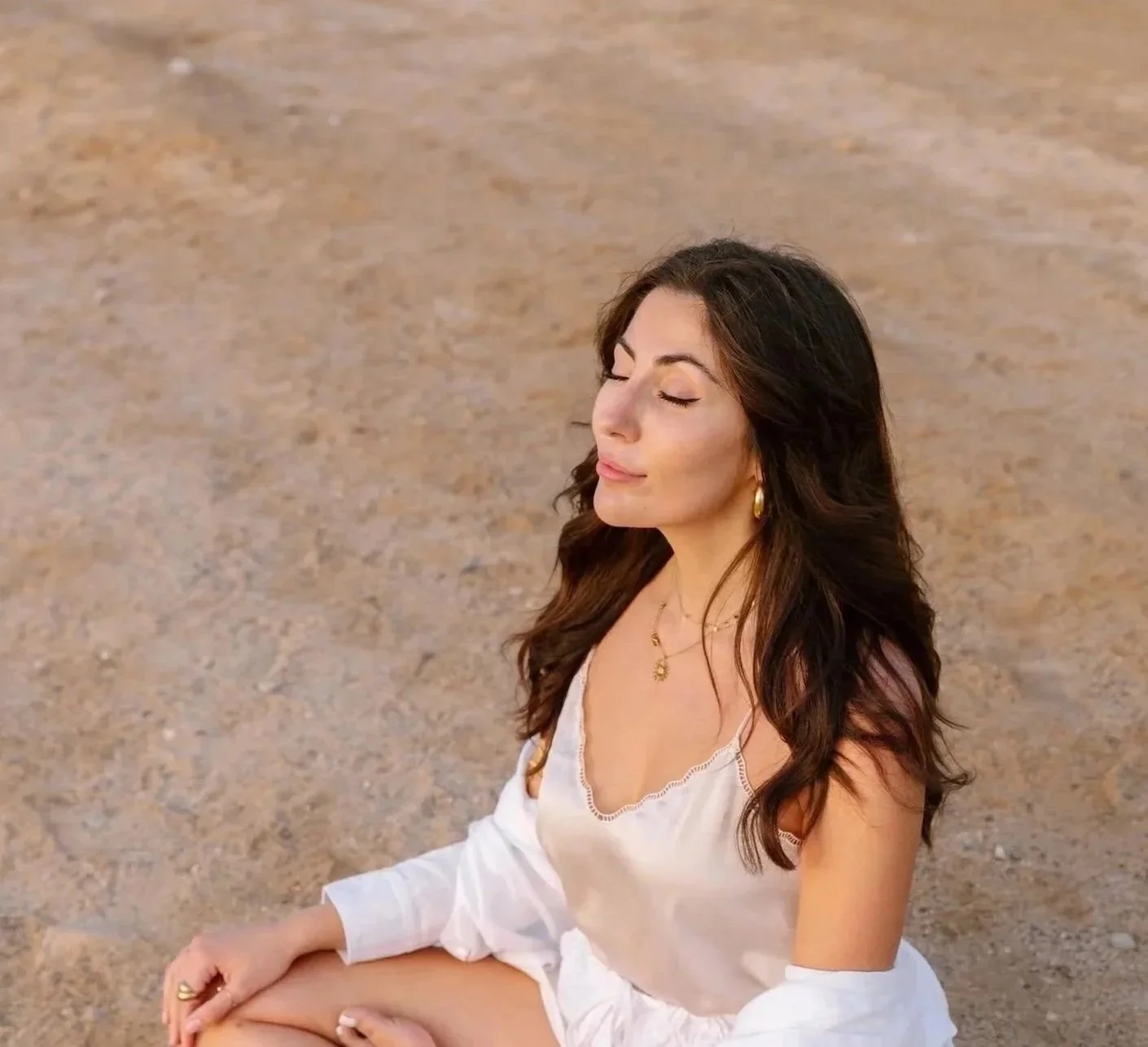
Meet your facilitator.
Marta here - It is such an honor to be walking beside you.
Your breathwork journey deserves skilled, compassionate guidance. As a trauma-informed breathwork facilitator, I create a supportive container where you can tap into the healing and expansion potential of the journeys I offer.
Trauma-informed care – I hold space with a focus on safety, attunement, and working with each person’s capacity - so expanded states unfold in a grounded, ethical, and supportive way.
Professional training – I am trained across modalities. Namely, in Expanded States Breathwork™ by Jelena Holodkova and in the Wim Hof Method, taught by Macarena Musante. Drawing from my continuous development in the field, I infuse a blend of somatic practices and breathing styles based on the uniqueness of each session.
Presence-based – Whether in group sessions or one-on-one, I attune to your individual needs, offering modifications and support that honour where you are at in your journey. My role is to witness, guide, and hold steady as you navigate your inner landscape. You're never alone in the process.
Holding space is my soul’s calling and I dedicate my life to this craft.
Learn more about my journey here.
FAQs
-
We breathe without thinking, but how we breathe determines how we feel, and how we feel determines how we live.
Most people unknowingly breathe at a fraction of their full capacity. Chronic stress, emotional experiences, and survival patterns leave us shallow, tight, and contracted - breathing in ways that keep the body in a state of protection rather than presence.
Breathwork is the practice of breathing consciously - with intention, rhythm, and awareness. In Expanded States Breathwork™ specifically, conscious connected breathing is used to shift you out of the thinking mind and into the body's own intelligence - where regulation, release, and genuine insight become possible.
When your breath changes, your state changes. And when your state changes, clarity, calm, and choice become available again - from the inside out.
-
Breathwork can be a powerful support if you're seeking nervous system regulation, emotional processing or release, greater self-awareness, or a deeper connection with your body and inner world.
That said, breathwork is not for everyone.
It should be avoided in cases including but not limited to: pregnancy, epilepsy, severe cardiovascular conditions, uncontrolled high blood pressure, glaucoma, history of stroke or aneurysm, recent surgery, and certain mental health conditions such as acute psychosis or unmanaged severe anxiety.
This practice is not a replacement for medical or psychological care. At TGW, safety, consent, and integrity come first - and we will always guide you toward what feels most appropriate for your current season. Every participant is required to complete an agreement form prior to the session, confirming awareness of contraindications and, where relevant, clearance from a licensed healthcare provider.
-
Every session is personalised to the participants’ needs: be it on a 1-1 or group format.
At TGW, our facilitator Marta is trained across different modalities. Namely, Expanded States Breathwork™ by Jelena Holodkova and the Wim Hof Method, by Wim Hof and taught by Macarena Musante.
Drawing from her continuous study of diverse techniques, she infuses a blend of somatic practices and breathing styles based on the uniqueness of each session.
Marta’s way of delivering Breathwork sessions is human, creative, highly intuitive and thoughtful. Whether you are an individual, organization or group, Marta will attentively intake your vision and end-goal. From there, she will materialise it into a uniquely-crafted breathwork journey.
-
When facilitated professionally and with proper screening, breathwork is safe .
We create a trauma-informed container, monitor participants throughout, and are trained to support various experiences that may arise.
That said, breathwork is a powerful practice that can bring up intense physical sensations and emotions.
This is why proper contraindication screening is essential, and why Marta will always encourage you to listen to your body, take breaks when needed, and communicate with her throughout the session.
The physiological effects depend on the specific breathwork technique being used.
For nose-breathing, slower practices like certain pranayama techniques: Controlled nasal breathing activates your parasympathetic nervous system (rest and digest mode), helping to calm your mind and regulate your nervous system. These practices often balance oxygen and carbon dioxide levels, promoting coherence between your heart, breath, and brain. You may experience a sense of calm, mental clarity, warmth, or gentle energy moving through your body.
For more intensive mouth-breathing practices like Holotropic Breath: Conscious connected breathing through the mouth increases oxygen intake while releasing more CO2 than usual. This temporarily shifts your blood pH (becoming slightly more alkaline), which can create tingling sensations, temperature changes, or muscle tension - particularly in the hands and face. You're activating your sympathetic nervous system initially, then dropping into a deeply parasympathetic state. This process can release stored tension, emotions, and trauma held in the body.
Regardless of the modality, breathwork works with your body's natural intelligence. The altered states you may experience are your natural physiology at work, and you remain in control throughout.
-
Before your session, you'll receive a welcome pack covering best practices, preparation guidance, and common sensations to be aware of.
During the session itself: let go of expectations. Expectations are the mind's way of trying to control an experience that lives far beyond the mind. Some sessions are quiet and subtle while profound shifts unfold beneath the surface. Others call for tears, sound, or cathartic release. Some people move through visions and color; others feel deeply grounded and present. There is no hierarchy of experience - no "good" or "bad" session.
In Expanded States Breathwork™, the invitation is always to surrender the need to perform or achieve, and let the breath lead. What arises - even if it's stillness, even if it's nothing like what you expected - is exactly what your system needs in that moment.
After your session, integration guidance will be included in your welcome pack. The work doesn't end when the breathing does.